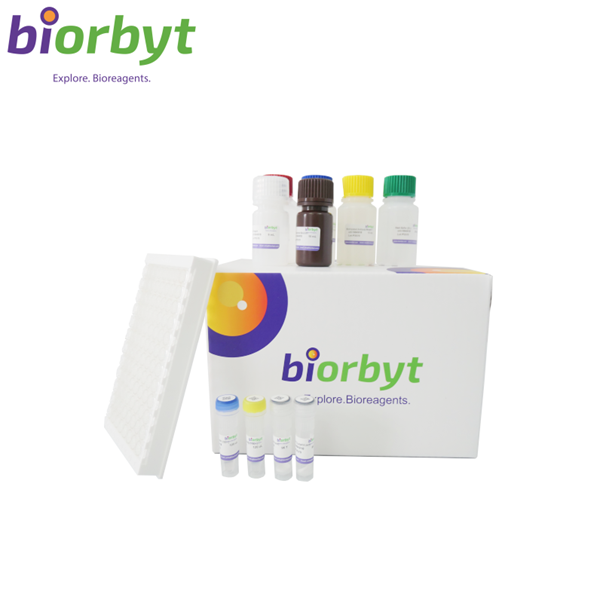
Caspase 3 (CPP32/ Apopain) plays a significant role in the initiation of apoptosis, it has been widely accepted as an indicator of apoptosis. Caspase 3 has a specific substrate polypeptide recognition sequence, namely aspartic acid-glutamate-valine-aspartic acid (DEVD). The Caspase 3/7 and DAPI Apoptosis Double Staining kit is used for apoptosis detection by measuring the activity of Caspase 3/7 and the integrity of the cell membrane. Caspase 3/7 Green uses the Caspase 3/7 recognition sequence (DEVD) coupled to a high-affinity DNA fluorescent dye, which has cell membrane permeability and can penetrate the cell membrane into the cytoplasm. The Caspase 3/7 Green reagent itself is non-fluorescent and has a charge repulsion effect with DNA. When cells undergo apoptosis, Caspase 3/7 Green, as a substrate, is cleaved by activated Caspase 3/7 and releases a high-affinity DNA dye. After binding to DNA, it generates strong fluorescence (Ex /Em: 488 nm/525 nm, flow cytometry recommended FITC channel). When cells enter the late stage of apoptosis or necrosis, the integrity of the cell membrane is lost, and 4',6-Diamidino-2-Phenylindole dihydrochloride (4', 6-diamidino-2-phenylindole, DAPI) can enter the cells of late apoptotic and necrotic cells. It specifically binds to double-stranded DNA and generates intense blue fluorescence (Ex/Em: 358 nm/461 nm). When used in combination with Caspase 3/7 Green, it can simultaneously distinguish the activity of Caspase 3/7 enzymes in necrotic cells and apoptotic cells.
研究领域
Cell Biology
图片与验证
−
关键属性
−
储存与操作
−
储存
Stored at -20°C for 12 months, protected from light
有效期
6 months from date of receipt.
免责声明
For research use only
质量保证
Explore bioreagents carefree to elevate your research. All our products are rigorously tested for performance. If a product does not perform as described on its datasheet, our scientific support team will provide expert troubleshooting, a prompt replacement, or a refund. For full details, please see our 条款与条件和选购指南.